

The Cotswolds is genuinely reliable territory for gluten-free travellers, with dedicated kitchens, NGCI menus and a growing bakery scene making it easier than most rural regions in England. For safe eating, head for Nutmeg + Thyme in Burford, Roots + Seeds at Cirencester Park, Burleigh Court for afternoon tea, Flapjackery in Stow-on-the-Wold, The Amberley Inn and Huffkins, and use an interactive app to check what’s nearby. Always call ahead and say the words “Coeliac disease” rather than “gluten-free preference” — it changes how seriously kitchens treat your order.
TL;DR:
- Most venues have a dedicated gluten-free kitchen or strict allergen policies, but calling ahead and confirming safety procedures remains essential.
- Nutmeg + Thyme runs an entirely gluten-free kitchen, eliminating cross-contamination risks, and must be booked in advance during peak seasons.
- Large towns like Cirencester and Burford offer more gluten-free options on high streets, while small villages generally have fewer verified safe choices.
- Carrying pre-ordered gluten-free bread or baked goods from reliable bakeries like Nutmeg + Thyme or Flapjackery ensures safe options during hours when restaurants may be closed.
- Use an app to verify nearby venues and ratings before detours, and ask explicitly about equipment and separate prep areas when booking restaurants or cafes.
Table of Contents
- Best gluten-free restaurants in the Cotswolds: a curated shortlist
- Gluten-free bakeries and take-home options across the Cotswolds
- Gluten-free afternoon tea in the Cotswolds
- How to vet a coeliac-safe venue by phone or email
- Planning gluten-free meals on a Cotswolds walking holiday
- Before you rely on this list
- Seasonal gluten-free food festivals and events in the Cotswolds
- Gluten-free accommodation with kitchen facilities in the Cotswolds
- Local support and resources for coeliac visitors
- Planning a gluten-free day
- Find gluten-free venues on the move with The Cotswolds App
- Sources
Best gluten-free restaurants in the Cotswolds: a curated shortlist
Honey-stone villages and rolling wolds don’t automatically mean easy dining if you have coeliac disease, but the venues below have built genuine reputations for taking it seriously. Each one has either a dedicated gluten-free kitchen, a clearly published allergen policy, or enough local sourcing and scratch cooking to make cross-contamination questions easy to answer.
-
Nutmeg + Thyme (No.31, 31 Lower High Street, Burford) runs an entirely gluten-free kitchen, so there’s no risk of a stray crumb from a wheat-based dish. Order the focaccia or a seasonal chilled meal, and book ahead if you want a table during peak walking season.
-
Roots + Seeds at Cirencester Park sits inside a farm-to-fork dining hub with a more comprehensive allergen management system than you’ll typically find in a tiny village tea room. It’s an ideal lunch stop if you’re breaking up a longer walk through Cirencester Park itself.
-
Burleigh Court, near Stroud, is worth the detour for its dedicated gluten-free afternoon tea (more on that below). Book at least a few days out, particularly at weekends.
-
Flapjackery, which opened its Stow-on-the-Wold branch in April 2025, sells an entirely gluten-free flapjack range, made with certified gluten-free oats, plus traybakes that travel well in a rucksack.
-
The Amberley Inn near Nailsworth sources heavily from Stroud and the Five Valleys, and the kitchen can adapt scratch-cooked dishes to be gluten-free on request. Scratch cooking, rather than pre-made components, makes this adaptation more trustworthy.
-
Worton Kitchen Garden, at Worton near Cassington — east of the Cotswolds proper, closer to Witney and Oxford than to Burford — pairs a working market garden with a café menu that leans on seasonal, whole ingredients. Ask specifically about their gluten-free cake and bread options on the day, as these can rotate.
-
Huffkins, found in several Cotswold towns including Burford and Stow-on-the-Wold, publishes a clear NGCI menu. It’s a solid casual option, though see the next section for what NGCI actually means for your risk level.
-
Village pubs across the region increasingly offer at least one confirmed gluten-free main, particularly where the kitchen cooks from scratch rather than relying on frozen sides.
-
Larger market towns like Cirencester and Burford tend to have more choice concentrated on the high street, which is worth factoring into your route planning.
-
Smaller hamlets between the main towns often have far fewer options, so treat any confirmed gluten-free stop in a small village as a bonus rather than a guarantee.
Gluten-free bakeries and take-home options across the Cotswolds
For walkers and self-caterers, a stash of proper gluten-free bread or cake solves the problem of limited rural opening hours before it starts.
- Nutmeg + Thyme’s dedicated gluten-free kitchen produces focaccias, millet breads and chilled seasonal meals that you can collect from Burford or, in some cases, have delivered within a local radius. Pre-order where possible, especially in summer.
- Flapjackery’s Stow-on-the-Wold branch sells flapjacks and traybakes that keep well for days, making them genuinely useful for multi-day walking trips rather than a one-off treat.
- Chilled or frozen gluten-free meals from specialist kitchens act as a sensible backup for stretches of the Cotswolds where you might not pass a proper kitchen for hours.
- Always check pre-order lead times before you travel. Small bakeries often bake to order rather than holding large stock.
Gluten-free afternoon tea in the Cotswolds
Burleigh Court, near Stroud, offers a purpose-built gluten-free afternoon tea priced at £29.00, with freshly baked gluten-free scones, jam, clotted cream and artisan cakes made without wheat flour throughout.
Before booking anywhere for afternoon tea, confirm three things:
- Whether the scones are baked in a separate area from wheat-based scones, not just made with a different flour in the same tray.
- Whether the clotted cream and jam come from shared serving pots that also touch regular scones.
- Whether pastry cases or cake sponges are bought in from a supplier that also handles wheat, rather than made in-house.
If a venue can’t confirm a full gluten-free spread, ask for a simplified version instead, such as sandwiches on gluten-free bread with a single confirmed cake.
How to vet a coeliac-safe venue by phone or email
A five-minute call before you travel does more for your safety than any menu you’ll read once you’re seated. Coeliac UK recommends asking specific, closed questions rather than a general “can you do gluten-free?”.
- Say clearly: “I have coeliac disease, not a gluten preference.” This one sentence shifts how kitchens categorise your order internally.
- Ask whether they have a dedicated gluten-free preparation area or separate fryers for chips and other fried items.
- Ask whether a manager or head chef signs off on gluten-free orders before they leave the kitchen.
- Ask directly whether their gluten-free menu is NGCI (non-gluten containing ingredients cooked in a shared kitchen) or genuinely coeliac-safe with dedicated equipment.
- Note down the name of whoever you spoke to, and mention it politely when you arrive.
Vague answers like “we can usually sort something out” are a red flag. Confirmed separate equipment, dedicated storage and named staff accountability are the assurances worth trusting.
Pro Tip: Frame your questions so a “yes” or “no” answer is possible, such as “Do you use a separate fryer for chips, yes or no?” Open-ended questions invite vague, reassuring answers that don’t actually tell you anything.
Planning gluten-free meals on a Cotswolds walking holiday
Rural stretches between villages can mean hours without a confirmed safe option, so build your day around the towns rather than hoping for the best in between.
- Time lunch stops around Cirencester, Burford or Stow-on-the-Wold, where choice is concentrated and kitchens are used to allergen questions.
- Carry gluten-free snacks or a Flapjackery traybake for the gaps between confirmed venues.
- Use The Cotswolds App’s interactive map to filter nearby places while you’re on the move, rather than relying on patchy phone signal to search blind.
- Village shops and supermarkets in larger towns stock basic gluten-free bread, crackers and biscuits as a reliable fallback when a sit-down meal isn’t practical.
Before you rely on this list
This shortlist is based on what each venue says publicly about its gluten-free food, and on specialist reporting such as Gluten Free Watchdog. Nobody from The Cotswolds App has eaten at these venues to test them, so treat the list as the starting point for your own checks, not a guarantee.
One account of a walking trip through the Cotswolds found “many unexpectedly safe gluten-free options when prepared and checking in advance” — a reminder that preparation, not luck, drives good outcomes.
Menus and staff change, so treat this shortlist as a strong starting point rather than a guarantee. Reconfirm on the day, and use a live tool like The Cotswolds App to check current listings and ratings before you commit to a detour.
Seasonal gluten-free food festivals and events in the Cotswolds
Food festivals across the Cotswolds increasingly cater to gluten-free visitors, though provision varies year to year and stall to stall. Market towns such as Stroud and Cirencester host seasonal food markets through spring and summer where independent bakeries, including gluten-free specialists, often take stalls alongside general producers.
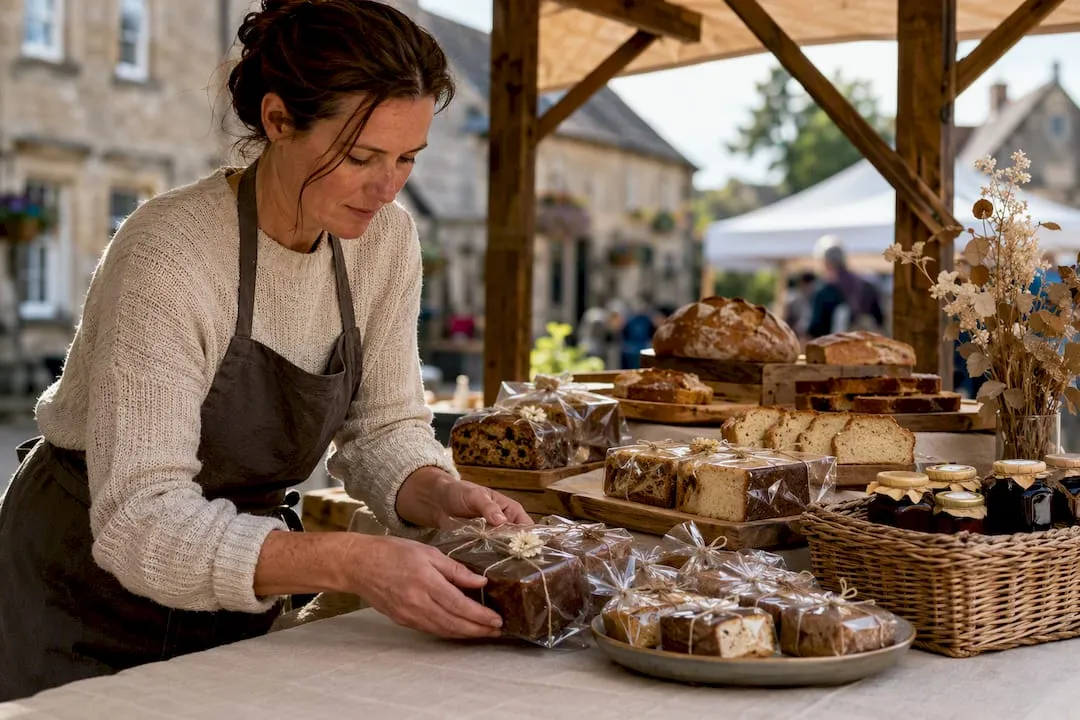
Christmas markets in towns like Burford and Stow-on-the-Wold typically bring in artisan food stalls too. It’s increasingly common to find at least one gluten-free bakery or preserve seller among them. Coverage of these events tends to be seasonal and localised, so the most reliable approach is checking each market’s own stallholder list shortly before you travel rather than assuming gluten-free provision year on year.
If a festival matters to your trip, contact the organiser directly to ask which stalls, if any, cater specifically to coeliac visitors, and whether any confirm dedicated preparation rather than simply “gluten-free ingredients.” The same NGCI-versus-dedicated-kitchen distinction that applies to restaurants applies just as much to a market stall selling cake from a shared tent.
Gluten-free accommodation with kitchen facilities in the Cotswolds
Self-catering cottages and converted barns are common across the Cotswolds, and many come with fully equipped kitchens that let you control every ingredient that enters your food. This matters more for coeliac travellers than for most dietary preferences, since even a shared toaster or breadboard in a rented cottage kitchen carries a genuine cross-contamination risk if previous guests used it for wheat bread.
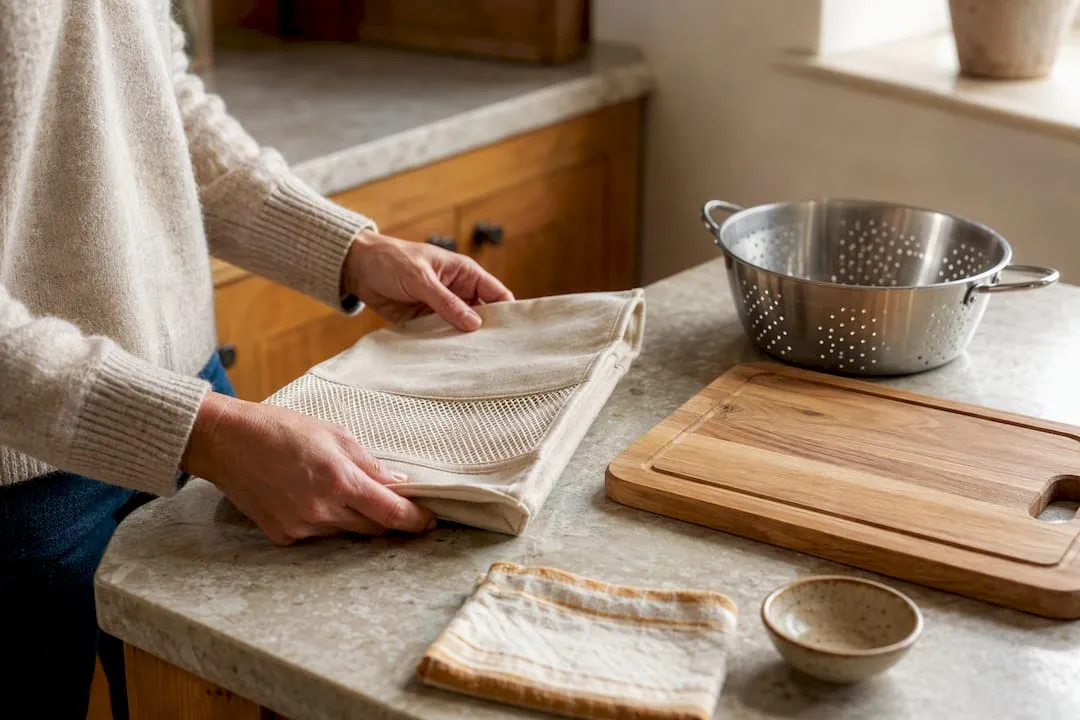
When booking self-catering accommodation, ask the owner or agent whether kitchen equipment is replaced or thoroughly cleaned between lets, and consider bringing your own toaster bags, chopping board and colander if you’re particularly cautious. Larger converted farmhouses and barns, often found around Stow-on-the-Wold and the villages near Burford, tend to have better-equipped kitchens than smaller stone cottages, simply because they’re built for longer family stays.
Hotels and guesthouses vary considerably in how seriously they take breakfast allergen requests, so mention coeliac disease at the time of booking rather than on arrival. A property that confirms separate gluten-free bread, a dedicated toaster, and pre-packaged options like yoghurt or fruit for breakfast is a far safer bet than one that simply says it can “sort something out.”
Local support and resources for coeliac visitors
Coeliac UK is the main national resource worth knowing about before you travel, offering detailed guidance on eating out safely, including the specific questions to ask venues about cross-contamination and dedicated equipment. Their guidance underpins much of the phone-checklist advice earlier in this article, and it’s worth bookmarking before a Cotswolds trip regardless of which venues you’ve already picked.
There isn’t a single dedicated Cotswolds-based coeliac support group readily documented, but Coeliac UK’s national network runs local groups across Gloucestershire and the wider South West that visitors can contact ahead of a trip for area-specific advice, particularly on which local bakeries or butchers are trusted by residents with coeliac disease. If you’re staying for an extended period, a quick search for the nearest branch group before you travel can turn up recommendations that never make it onto review sites.
For anyone newly diagnosed and nervous about a first UK trip, Coeliac UK’s food and drink guidance is a far more dependable starting point than generic travel blogs, precisely because it’s written for clinical accuracy rather than SEO reach.
Planning a gluten-free day
The biggest risk here isn’t a lack of gluten-free food, it’s assuming a tea room’s “we can do gluten-free” means the same thing as a dedicated kitchen. A sample day that works well: breakfast at your accommodation, lunch at Roots + Seeds in Cirencester Park, and a booked gluten-free afternoon tea at Burleigh Court to finish. Confirm every booking again the morning of your visit.
Find gluten-free venues on the move with The Cotswolds App
There are practical apps that map thousands of Cotswolds places with filters and visitor ratings, so instead of ringing round blind when you’re three miles from the nearest town, you can check what’s actually nearby and how other diners rated it on the interactive map.
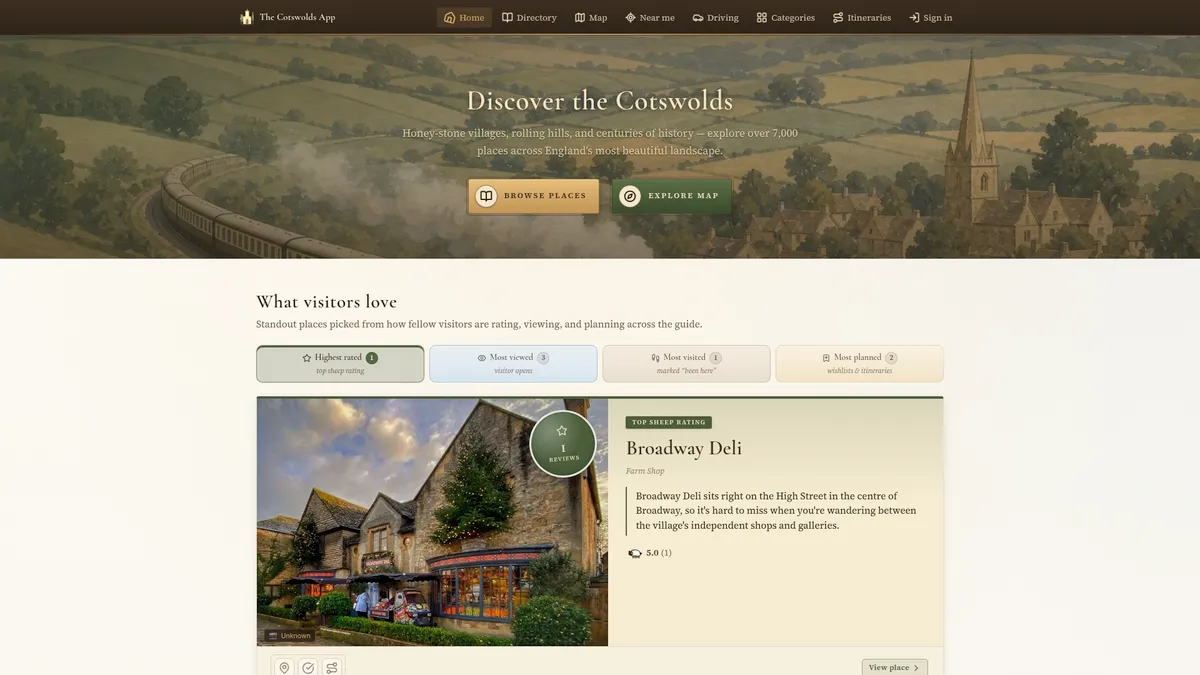
Say you’re walking the Cotswold Way and running low on gluten-free snacks. Open the interactive map, filter for bakeries or cafés near your current spot, and see which ones have decent ratings before you commit to a detour off the trail. It saves the wasted walk to a village shop that turns out to stock nothing suitable.
If you’re planning a longer trip, browse the Cotswolds directory ahead of time to shortlist venues town by town, then install the app so you have it ready before you set off.
This article is general information, not a substitute for advice from a qualified doctor. Consult a qualified healthcare professional about your own circumstances before acting on anything here.
Sources
- NUTMEG + THYME PLANT BASED FOOD
- Roots + Seeds Kitchen Garden — Cirencester Park
- Gluten‑Free Surprises on a Walking Vacation in the Cotswolds