
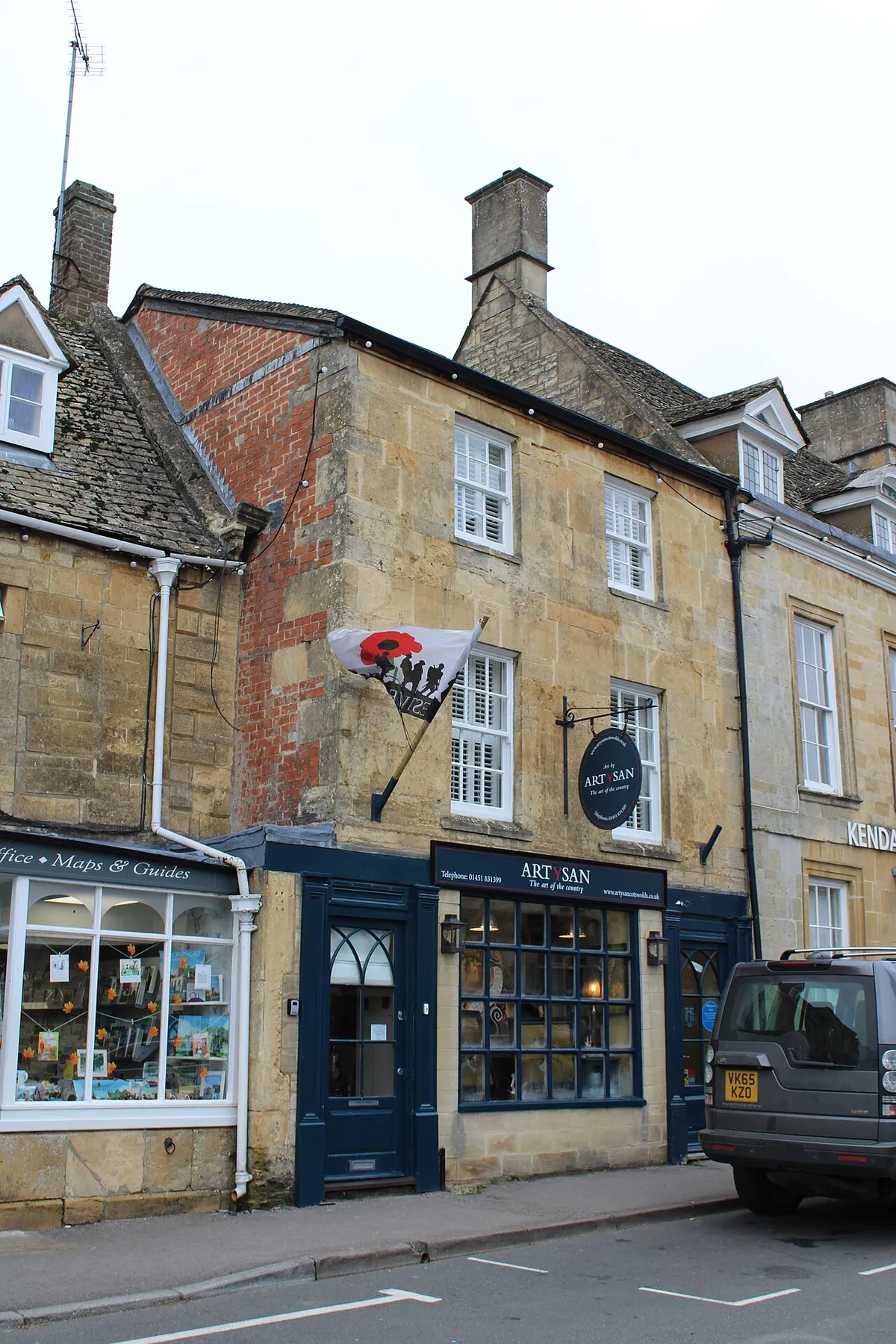
📷 Photo by Rodw · CC BY-SA 4.0 · Wikimedia Commons
This market town sits at 800 feet on a hill where several major roads converge, which is actually why it exists at all.
Norman lords established it deliberately to capture trade passing through the Cotswolds, and it has been fulfilling that role ever since. The wide main square is lined with warm stone buildings that reflect centuries of prosperity, and it remains a working market and shopping hub rather than a museum piece.
The town's character is rooted in its history as a centre for the wool trade and, later, livestock dealing. Royal charter fairs have run here since 1330, and you can still catch the horse fair twice yearly in May and October on the edge of town towards Oddington. It's a genuine working tradition, not a recreation.
When you visit, the square is the obvious starting point, with independent shops, cafes, and pubs clustered around it. St Edward's Church sits prominently at one end and is worth stepping inside to see. The town makes a good base for exploring the wider Cotswolds, being well connected to villages like Bourton-on-the-Water and Moreton-in-Marsh. You'll find it busier than some smaller villages but more authentic than some of the more heavily visited towns, and the elevated position gives you genuine views across the countryside rather than feeling hemmed in by rolling hills.
Visitor reviews
Every review has a sheep rating. If you have dogs on your account, you can add an optional dog-friendly paw rating when you post.
Photos
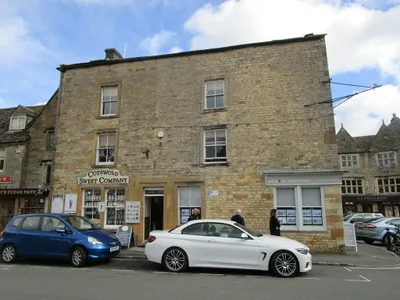
J. Thacker · CC BY-SA 2.0 · Wikimedia Commons
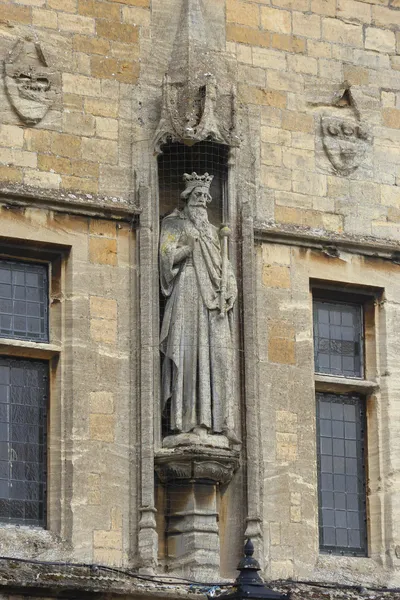
E. White · CC BY-SA 4.0 · Wikimedia Commons