
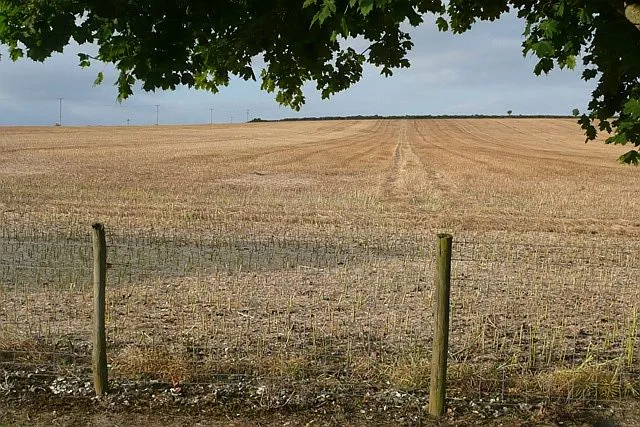
📷 Photo by Graham Horn · CC BY-SA 2.0 · Wikimedia Commons
Great Shefford is a Bedfordshire village shaped fundamentally by its railway past.
Between 1857 and 1962, the station served as a vital connection on the Bedford to Hitchin Line, transforming what might have otherwise been a quiet rural settlement into a genuine hub of commercial activity and passenger traffic. That period of Victorian and Edwardian prosperity left its mark on the village in ways you can still read today—in how the streets are laid out, in the buildings that line them, and in the overall sense of a place that once mattered greatly to the wider transport network.
Walking around Great Shefford now, the railway's influence becomes apparent. You'll notice how the village developed around this crucial infrastructure, how certain buildings were positioned to serve travellers and traders, and how the whole character of the place reflects those decades when connectivity meant opportunity. While the line closed over sixty years ago and the station is long gone, the physical traces remain—architectural details, street patterns, and the lingering sense of that historical moment when rail transport fundamentally changed rural English life. For anyone interested in how transport infrastructure shaped communities, or simply keen on Victorian history, Great Shefford offers a tangible connection to that transformative era.
Visitor reviews
Every review has a sheep rating. If you have dogs on your account, you can add an optional dog-friendly paw rating when you post.
Photos

S. Czapski · CC BY-SA 2.0 · Wikimedia Commons

S. Logan · CC BY-SA 2.0 · Wikimedia Commons