
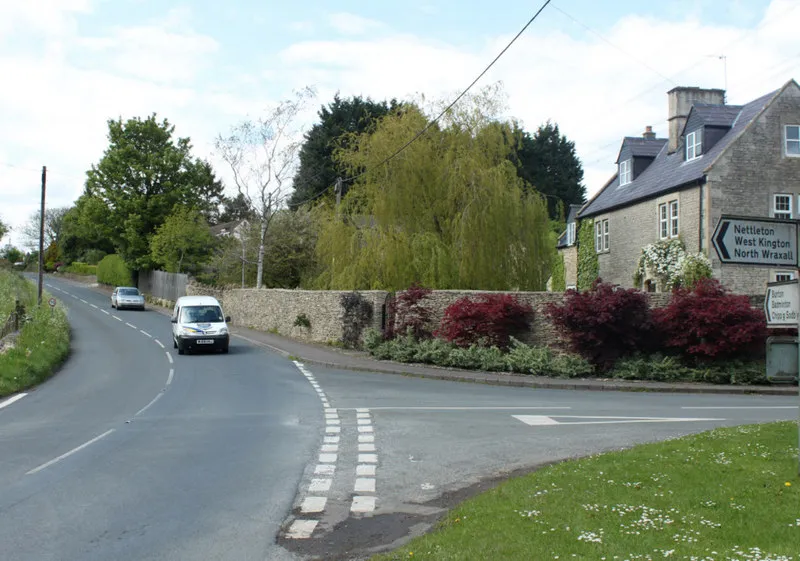
📷 Photo by Maurice Pullin · CC BY-SA 2.0 · Wikimedia Commons
Tucked away in the gentle undulations of the Cotswolds in Wiltshire, this small hamlet offers a truly peaceful escape.
You’ll find classic honey-coloured Cotswold stone buildings here, blending seamlessly into the surrounding countryside. It’s a place where the pace of life slows down, perfect for those seeking quiet reflection and a genuine taste of rural English life.
The name itself gives a clue to its long history, likely sitting close to or on the ancient Fosse Way, the Roman road that once stretched across England. While there aren't specific grand landmarks within the hamlet, its charm lies in its timeless character and the opportunities it presents for tranquil walks through the lanes and fields. It’s an ideal spot to base yourself if you’re looking to explore the region’s natural beauty and slower rhythms. For a little more activity or amenities, you’re just a short distance from villages like The Gibb, Littleton Drew, Foscote, and Grittleton. The popular Upper Castle Combe and Castle Combe are also close by, offering more to see and do while still returning to the quiet calm of this spot.
Visitor reviews
Every review has a sheep rating. If you have dogs on your account, you can add an optional dog-friendly paw rating when you post.
Photos
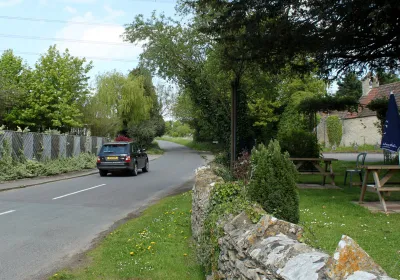
M. Pullin · CC BY-SA 2.0 · Wikimedia Commons

M. Pullin · CC BY-SA 2.0 · Wikimedia Commons