

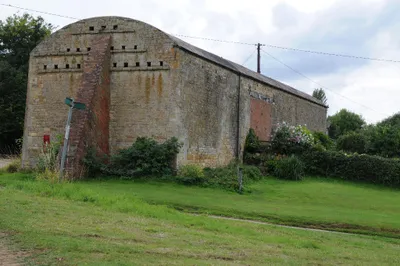
📷 Photo by Robin Webster · CC BY-SA 2.0 · Wikimedia Commons
If you're looking for a truly peaceful spot away from busier Cotswold towns, consider a visit to this small, tranquil hamlet.
It’s the kind of place where time feels like it slows down, offering a glimpse into a very traditional corner of the region. Dominated by honey-coloured stone buildings, typical of the Cotswolds, it’s primarily a residential area, ideal for those seeking a quiet stroll or a moment of reflection.
The most notable feature is the charming St Leonard's Church, which, despite later alterations, retains parts of its medieval heritage. It’s a lovely example of local religious architecture and worth a look for its simple beauty and historic feel. Aside from the church, the main appeal here is simply to soak in the rural atmosphere, perhaps taking a gentle walk along the lanes or across the surrounding fields. You won't find shops or pubs right here, so come prepared to enjoy the quiet.
For amenities or a wider choice of places to eat, the market town of Moreton-in-Marsh is conveniently close by. Other nearby settlements include Dorn, Aston Magna, Great Wolford, Todenham, and Batsford, making it an easy place to include as part of a wider exploration of this beautiful area of Gloucestershire.
Visitor reviews
Every review has a sheep rating. If you have dogs on your account, you can add an optional dog-friendly paw rating when you post.
Photos
P. Halling · CC BY-SA 2.0 · Wikimedia Commons

P. Halling · CC BY-SA 2.0 · Wikimedia Commons