115 to 120 Rosebery Street, Swindon In contrast to many other towns and cities in the UK such as Bath, Bristol, Coventry, Exeter and of course London, Swindon largely escaped the attentions of Hitler’s Luftwaffe between the years of 1939 and 1945, largely but not completely. During those years, occasional attacks took place, usually by isolated raiders. In the intervening years all the significant destruction that was caused has been repaired. However, there is still evidence of what happened in those troubled times and the legacy remains in the form of houses that were rebuilt after the war in a style that is similar to but distinct from the originals.
On 20th October 1940, Swindon experienced its first night bombing. An unidentified bomber on a north-south line dropped three bombs, two high-explosive and one incendiary shortly after 22.00 hours. One of the bombs landed in Rosebery Street and destroyed or severely damaged numbers 115 to 120, on the western side of that street. Unfortunately the bomb caused a number of casualties. There were ten confirmed fatalities and an uncertain number of injured persons.
After the war was over the destroyed houses were replaced by new ones built to the same basic design but using different materials and along utilitarian lines. This image shows the houses as they are now and, although they will have been modernised in the intervening years, they remain noticeably different from their older neighbours. The bay windows lack the decorative stonework that graced the original houses and, although the current windows are PVCu, as rebuilt they would have been steel casements in place of the original timber sash windows.

The historical information above was extracted from a monograph ‘Swindon Air Raids in World War 2’ by K Walter published privately in 1998, a copy of which can be found in Swindon’s Central Library.
EV ChargingServices

St Luke's Church

in Swindon

📷 Photo by Brian Robert Marshall · CC BY-SA 2.0 · Wikimedia Commons

St Luke's Church in Wroughton stands as a working parish church that's been central to village life for several centuries.

The building itself tells a layered story through its architecture, with different periods adding their own character to the stone walls. Inside, you'll find a calm space where you can take time examining the details and craftsmanship accumulated across generations. The churchyard is equally worth exploring, with monuments and gravestones that document the local community's long history.

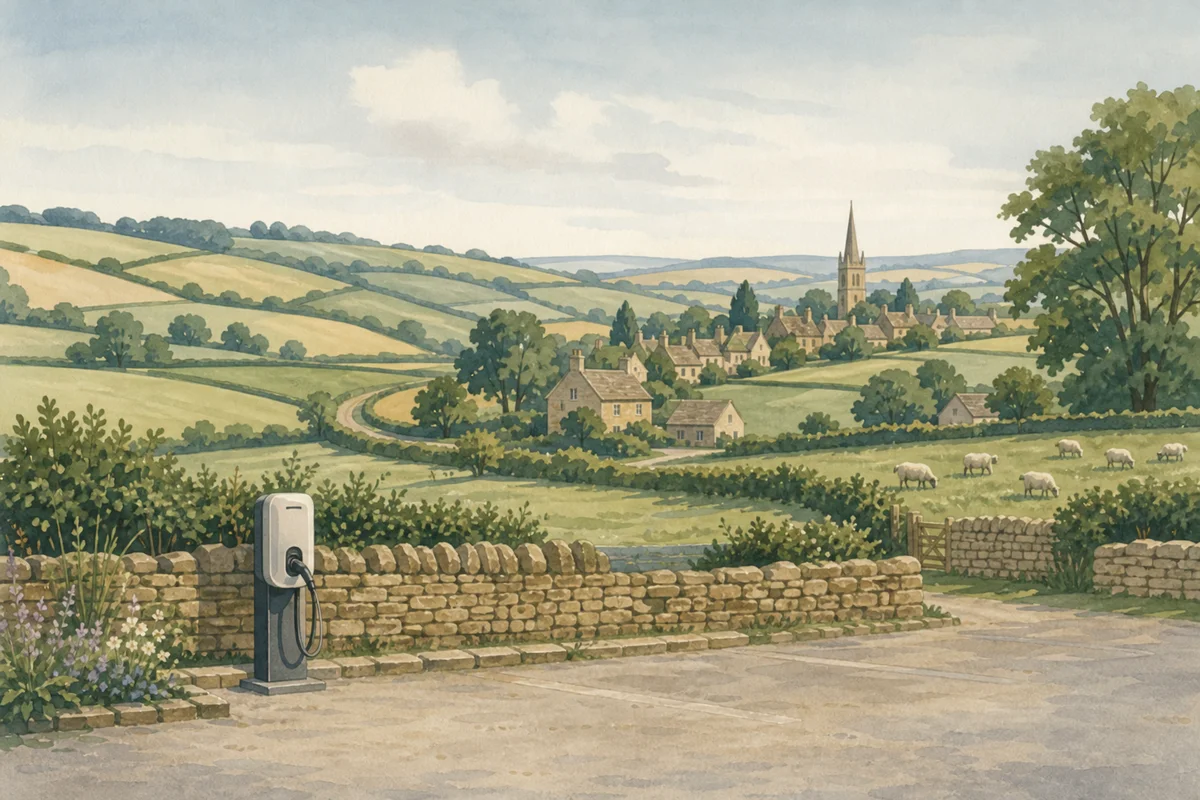
What makes St Luke's particularly useful for modern travelers is something you won't find at every heritage site: electric vehicle charging facilities. If you're touring the southern Cotswolds by EV, you can charge your car while spending an hour or two inside and around the building. It's genuinely practical, which means you're not forced to choose between keeping your journey moving and stopping to see something with real historical value.

The church sits just outside Swindon, so it works well as a detour whether you're passing through the area or based nearby. You might arrive mainly for the charging point and find yourself drawn into the building's actual history, or you could be interested in the architecture and appreciate having a proper place to stop. Either way, it's one of those fortunate situations where convenience and genuine heritage interest happen to work together.

Visitor reviews

Every review has a sheep rating. If you have dogs on your account, you can add an optional dog-friendly paw rating when you post.

Loading reviews…

What's on nearby

Nearby as the crow flies

12
1 / 2
Reference & sources
51.56466°N, 1.77660°W Data: osm